Beacons on the Edge: Encounters Along Scotland’s Wild Headlands

Pack your binoculars and a sense of wonder as we set out for wildlife spotting on Scotland’s lighthouse headland trails. From wind-etched cliffs to lantern-crowned promontories, these paths reveal seabird colonies, sleek cetaceans, curious seals, and heather-brushed slopes alive with small surprises. We will blend practical fieldcraft with stories and conservation insight, helping you watch more closely, tread more gently, and return enriched. Whether you crave a dawn watch at Neist Point or a winter scan at Dunnet Head, today’s journey belongs to attentive eyes.

Clifftop Ecosystems Under the Lanterns

Stand beside the railings and feel the updrafts that cradle endless wings, because headland ecosystems gather life where stone, sky, and tide collide. Nutrient-rich currents feed shoals that attract gannets, dolphins, and minke whales, while creviced cliffs shelter razorbills and guillemots. Above, heather and thrift stitch color into thin soils buzzing with pollinators. The lighthouses add human stories to this profusion, giving safe vantage points and paths that, when walked thoughtfully, reveal dramatic spectacles without disturbing the delicate rhythms unfolding below.

Weather, Safety, and Confident Route-Finding

Maritime weather can transform an easy stroll into an exposed challenge within minutes, so humility is practical wisdom here. Check forecasts for wind direction, gusts, low cloud, and swell, then decide if a cliffline watch or a more sheltered bay suits the day. Paths near lighthouses may be narrow, wet, or eroded; treat edges with reverence and never lean beyond fences. Carry paper and digital maps, know your turnaround time, and keep lights away from optical equipment so beacons remain unspoiled by stray glare.

Reading Wind, Swell, and Sky

Whitecaps marching shoreward, terns struggling upwind, and gannets shearing effortlessly can tell you more than numbers alone. Learn Beaufort cues, wave-period rhythm, and the eerie hush that precedes fog pooling over cold water. On strong onshore days, spray may salt your optics and dampen cliff paths; choose elevated spots with safe backstops. When winds ease at dusk, sound travels farther, and you may hear porpoise breath or kittiwake laughter long before your eyes catch motion.

Seasons, Tides, and Protected Nesting

Spring to midsummer brings crowded ledges and strict protections; heed signage and seasonal barriers so birds are not flushed during crucial brooding. Autumn can reveal grey seals hauled out with pups; maintain substantial distance, leash dogs, and avoid cliff-top peering directly above resting animals. Tidal surges transform low platforms into dangerous traps, and rogue waves reach farther than expected. Let curiosity bend toward care, choosing elevated viewpoints and zoom lenses instead of scrambling onto slick boulders near surf.

Kit for Comfort and Care

Pack layered clothing, a waterproof shell, warm hat, and grippy boots; weather shifts swiftly on exposed capes. Binoculars of eight or ten power balance stability and reach, while a light spotting scope excels for distant rafts. Add a paper OS map, charged phone, small first-aid kit, whistle, and high-energy snacks. Consider a notebook for quick sketches and behavior notes, plus lens cloths for salt spray. Respect signage and keep drones grounded to protect wildlife and heritage.

Northern: Dunnet Head and Duncansby Stacks

At Scotland’s mainland top, Dunnet Head offers sweeping views across the Pentland Firth where strong streams sometimes deliver orcas and fast-moving porpoises. Nearby, Duncansby’s toothy stacks host bustling auk lines and wheeling kittiwakes in breeding season. Follow waymarked paths, keep back from undercut turf, and use established platforms for photographs. In late evenings, light can mellow spectacularly across tidal races, making distant fins or birds on the wing stand out against soft gold water.

Western: Neist Point and Stoer Head

Neist Point’s basalt cliffs give bold perspectives across the Minch, and summer calm can bring minke whales, common dolphins, and even shy basking sharks close to shore. Stoer Head’s lighthouse path threads heather and rock to sweeping overlooks above skerries beloved by seals. Watch cliffs for peregrines and shags, and scan converging currents where feeding parties gather. Weather arrives quickly on this coast; keep layers accessible and leave time for safe returns before darkness pools in gullies.

Southern and Eastern: Mull of Galloway and Kinnaird to Buchan Ness

Scotland’s southern tip at Mull of Galloway couples an RSPB reserve with panoramas across Irish Sea traffic and wheeling gannets from nearby colonies. On the northeast, Kinnaird Head and Buchan Ness provide winter spectacles of eiders, long-tailed ducks, and passing divers over steel-blue water. Migrants pause around gardens and walls during spring and autumn winds. Between maritime museums and working harbors, you still find quiet corners for scanning, especially at first light when human bustle hasn’t woken fully.

Fieldcraft for Seeing More, Disturbing Less

Great sightings come from rhythm and restraint. Work in unhurried cycles of sitting, scanning, and noting, letting the landscape attune your attention. Glance wide before focusing tight, because motion at the periphery often signals significant behavior offshore. Keep silhouettes, wingbeats, and trajectories in mind; pattern recognition grows with practice. Above all, protect wildlife’s calm by keeping distance, minimizing noise, and choosing patient observation over pursuit. You will notice more when your presence blends into the cliff’s steady breath.

Sit, Scan, and Sequence

Choose a wind-sheltered perch with a safe backstop, then adopt a scan routine: horizon sweep, mid-distance check, inshore skim, cliff ledge review. Repeat methodically for ten-minute blocks, recording changes. Fins, fluke prints, and sudden bird swirls reveal feeding. Use a timer to prevent fatigue, blink often to refresh tears, and stretch gently between circuits. This measured cadence steadies excitement and ensures you notice slow patterns as well as spectacular bursts.

Light, Background, and Silhouettes

With sun behind you, colors pop and heat-haze lessens; against the light, shapes sharpen and surface disturbances shine like mercury. Train yourself to read silhouettes: daggered gannets versus rounded kittiwakes, double flashes of porpoise compared with the smoother single arc of a minke. Sea state changes how reflections disguise fins, so compare angles repeatedly. Adjust focus frequently, brace elbows, and anchor stance; tiny gains translate into confident identifications made without rash approaches.

Notes, Sketches, and Memory Anchors

Write fast, messy notes that capture essentials: size, shape, behavior, plumage blocks, timing, and wind. Sketch outlines rather than portraits, marking beak depth, tail length, and panel contrasts. Anchor observations to features like the lantern gallery, a painted daymark, or a distinct stack, so later you can recalc distances. Back home, transcribe to a log, check guides, and learn. This reflective habit sharpens future watches and gently builds local expertise.

Stories from the Edge: Moments That Stay

Certain headland memories feel etched by salt. You might recall a plan abandoned to fog, only to be gifted a sudden clearing and a line of gannets arrowing past the lantern. Or the hush at sunrise when cliffs swap night chill for gold warmth and every ledge stirs. These recollections tether skills to feelings, turning simple recording into belonging. Let the following vignettes invite your own, and share them so others find courage to linger longer.

Community, Conservation, and Giving Back

These edges thrive when care is collective. Lighthouse paths concentrate visitors near fragile ledges and internationally important bird colonies, so small courtesies multiply: leashed dogs, quiet voices, no drones, and respect for signs. Share records with groups whose mapping protects migrations and feeding grounds. Support the keepers’ legacy through local museums and maintenance volunteers, because heritage and wildlife prosper together when resources meet love. Your photographs, notes, and donations can translate awe into measurable, enduring protection.

Plan Your Next Watch and Join the Conversation
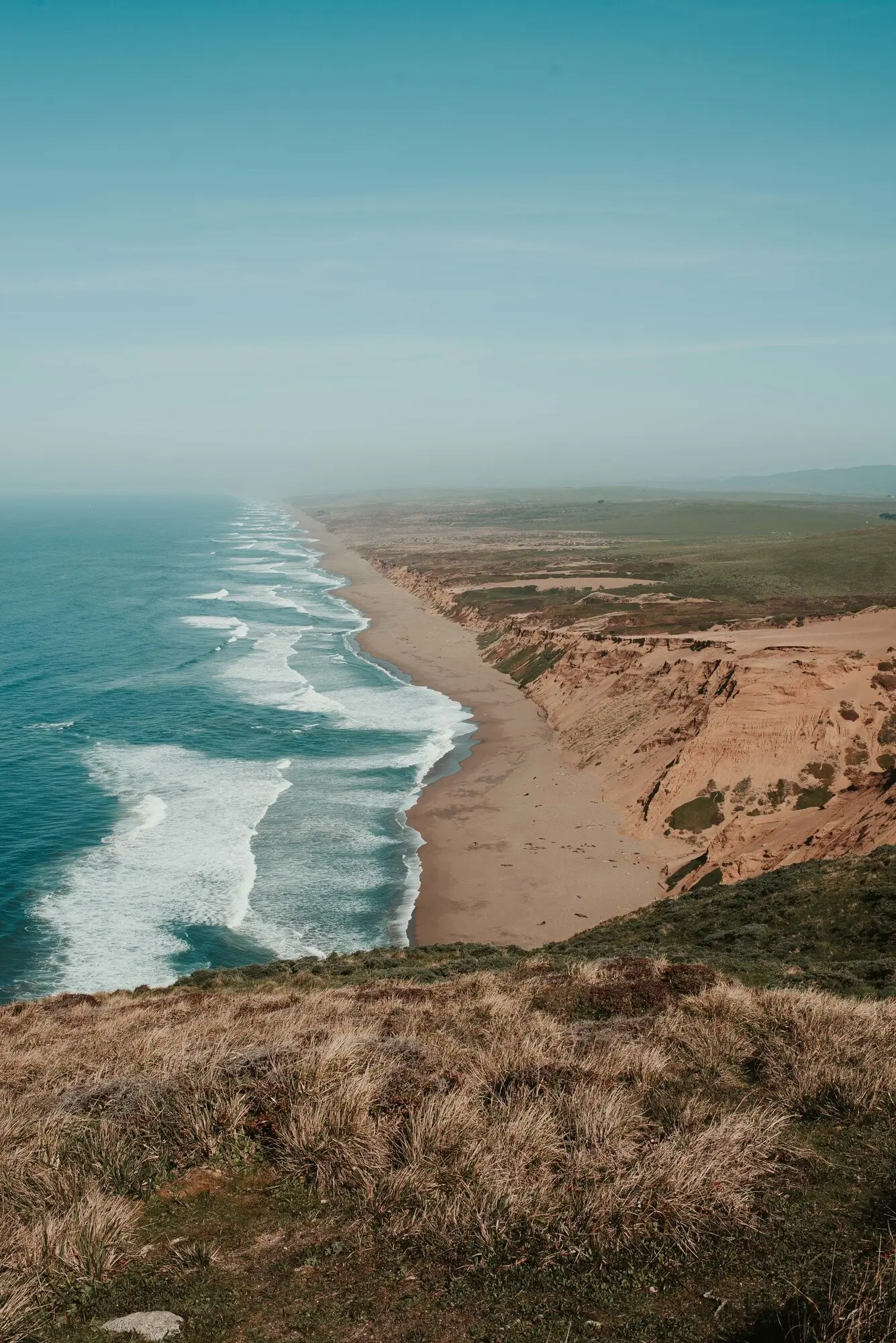
The best journey often starts with a modest plan and a promise to share what you discover. Choose one accessible headland, give yourself room for weather and stillness, and bring a friend who enjoys unhurried looking. Set gentle goals, like ten minutes of silent scanning each hour. Afterwards, post highlights, ask questions, and subscribe for seasonal notes that flag migration pulses, plankton blooms, and volunteer opportunities. Community builds skill, and skill deepens joy.