
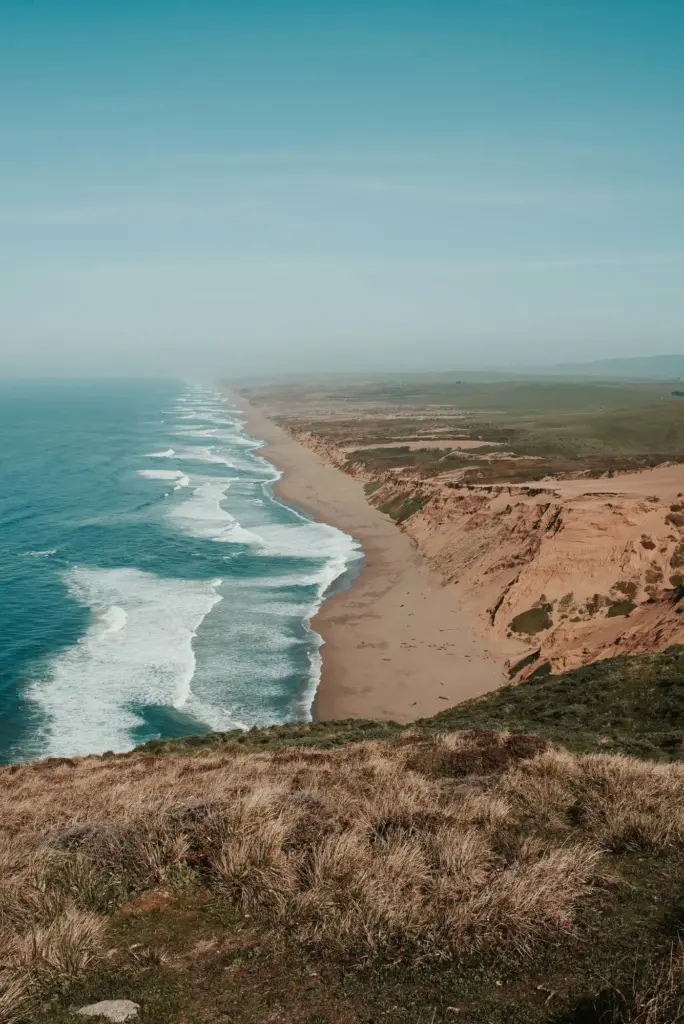


Walking to the Light: A Photographer's Guide across Scotland's Coasts

Today we set out with a photography guide to scenic lighthouse viewpoints on Scottish walks, turning rugged paths into patient studies of light, weather, and history. From Skye to Caithness, we’ll pair route wisdom with creative techniques, so your images honor engineering, coastline, and community. Expect practical tips, respectful fieldcraft, and story-driven prompts that help every frame feel grounded, generous, and unforgettable. Bring good boots, spare batteries, and curiosity; the rest, from tides to clouds, will shape your craft.

Plan the Walk, Chase the Light

Scotland rewards walkers who start with a plan: check sunrise and sunset, cross-reference tide tables, mark safe cliff paths on OS maps, and download offline layers. The Scottish Outdoor Access Code invites responsibility; that means choosing routes that withstand traffic, keeping well back from edges, and allowing extra time for wet grass, boggy hollows, and Atlantic gusts. Preparation frees attention for composition, storytelling, and simply breathing in the salt.
Golden and blue hours reshape cliffs, foam, and paintwork, so anchor your plan with a sunrise or sunset that matches safe footing. Consult reliable tide predictions, then scout vantage points at mid-day to confirm swell, spray, and shadow patterns. Apps help, but trust ground truth: if wind or surf rises, step back, reframe, and keep the lighthouse in conversation with the sea rather than in conflict.
Access in Scotland is generous and mutual: walk responsibly, avoid fragile turf, close gates, and never cross safety barriers for a shot. During nesting months, give cliffs even more room, choosing lenses over proximity. Speak with locals, support cafes and bothies, and represent photographers well. A courteous hello on narrow paths eases passing, shares conditions, and maybe unlocks that extra viewpoint a map alone would miss.

Compositions that Honor Tower and Coast

Great lighthouse photographs balance human purpose with elemental power. Think scale, horizon discipline, and storytelling foreground: thrift blooms, rope, tide lines, puddles, or textured rock. Use diagonals of cliffs and fences to guide the eye without dragging attention from the lantern room. When seas roar, hold space; when calm arrives, celebrate minimalism. Let the beacon earn its role instead of shouting for it.

Lenses, Filters, and Settings that Work

Tool choices shape possibilities more than outcomes. A wide zoom frames context and weather; a standard lens flatters geometry; a telephoto compresses cliffs, stacks, and the lighthouse into layered drama. Circular polarizers control glare and color, neutral-density filters stretch surf and clouds, and bracketing protects highlights. Shoot RAW, histogram-check, and expose conservatively, because salt air and white paint fool meters with cheerful persistence.

Weather, Seasons, and Safety at the Edge

Weather writes the coastline’s mood, and caution keeps you in the story. Scotland’s forecasts vary by headland; consult Met Office, MWIS, and Windy, then interpret swell period, gusts, and visibility for cliffs. Winter brings crystalline air and ankle-biting daylight; summer lingers late with haze and midges. Whatever the month, protect margins: step back, reassess, and never test a rogue wave.

Walks and Viewpoints Worth the Miles

Scotland’s coasts scatter beacons like footnotes to daring engineering and daily seamanship. Walks vary from gentle promontories to long moorland rambles, each rewarding patience over speed. Research parking and bus links, carry cash for honesty boxes, and note seasonal closures. Where cliffs are fenced, respect boundaries and find a cleaner angle. The best vantage often lies one bend further, after observation replaces hurry.
Arrive early or late to avoid the car park crush. The stepped path drops quickly; save energy for the return. Sunset lights the cliffs behind the lighthouse beautifully. For calmer frames, explore high ground before the descent, then wait for lulls between tour groups. Skye weather spins fast; pack layers, stash patience, and let the ocean set the rhythm.
From the lighthouse car park, a rugged trail heads toward the Old Man of Stoer, skirting bog and heather. Telephotos compress the stack, surf, and beacon into a strong triangle. Scan for minke whales and porpoises on calm days. Wind can be brutal; keep low, anchor the tripod, and choose compositions that thrive even when spray veils the distance.
St Abb’s Head offers well-marked paths and dramatic strata where kittiwakes wheel and the lighthouse crowns the cliffs. Buchan Ness at Boddam sits near homes; explore respectfully and look for elevated viewpoints that avoid gardens. The granite’s warm hues reward sunrise. Afterwards, warm up in local cafes, share conditions with wardens, and leave a positive trace in guest books.

Ethics, Community, and Sharing the Story

Photography at lighthouses lives between public safety, private lives, and fragile habitats. Telephotos respect distance, while thoughtful captions honor the keepers and the Stevenson legacy that threaded lights along rock and fog. Support RNLI stations, buy cakes from harbors, and geotag with care when sites cannot handle crowds. Share images that educate as well as dazzle, and invite conversation that builds community.

Seabirds, seals, and lenses that let you keep distance

Breeding ledges overflow with life from April to July. Approach quietly, avoid cliff tops where burrows collapse, and keep dogs leashed. A 300mm or longer lens preserves behavior without stress. If a bird changes posture or stops feeding, you are too close. Back away, review frames, and celebrate portraits that show habitat, dignity, and space to thrive.

Drones near beacons: law, courtesy, and wind reality

Register with the CAA, check local bylaws, and avoid flying over people, buildings, or nesting cliffs. Many headlands funnel violent gusts that flip small aircraft without warning. Keep the craft low and far from lanterns to prevent interference. Often, the safest decision is to ground the drone and find a footpath view that outlasts batteries anyway.

Captions, history, and inviting conversation that gives back

Research dates, builders, and signals so captions carry substance: Kinnaird Head holds a museum, Turnberry stands by fairways, and Dunnet Head marks mainland’s north. Invite comments about routes, seasons, or memories, then reply with kindness. Encourage subscriptions for monthly route notes and safety reminders. This exchange turns solitary trips into shared stewardship that keeps paths open and stories growing.